Table of Contents
During long term direct exposure (PE) an individual is progressively revealed to their trauma-related memories, fears, feelings, and sensations about the event(s) to discover that these are no much longer dangerous or require to be avoided. People generally meet a specialist as soon as a week for 3 to 4 months. PE is strongly advised by the American Psychological Association as a first-line intervention for PTSD.
CPT is considered a first-line intervention for PTSD and is strongly advised by the APA. Cognitive behavior treatment (CBT) concentrates on ideas, feelings, and behaviors, and the connection in between them. A trauma-focused therapist may assist a customer recognize how they are assuming about their trauma and just how to shift it right into even more handy reasoning.
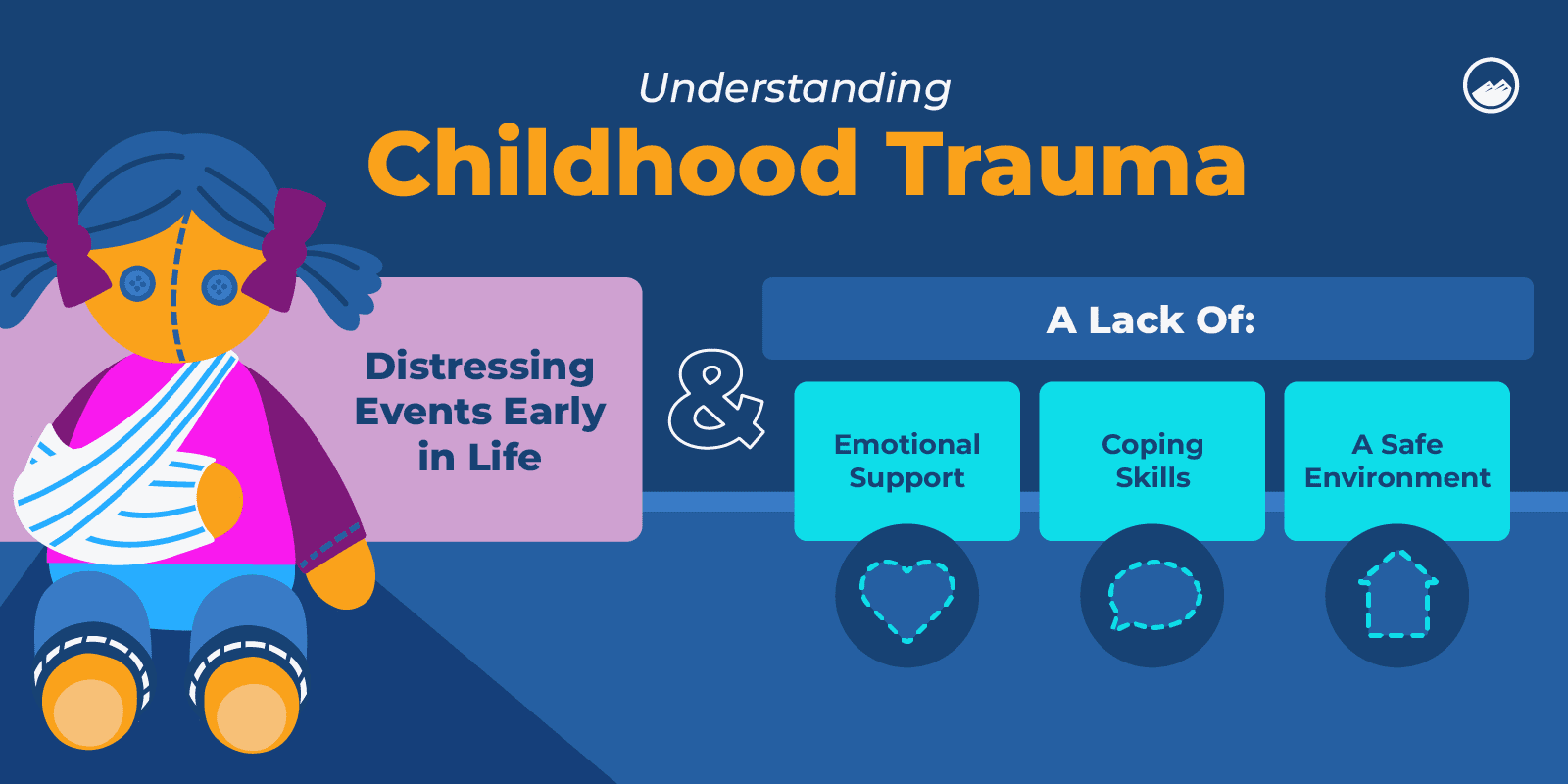
This therapy is highly advised by the APA for the treatment of PTSD. Trauma-focused cognitive behavioral treatment (TF-CBT) deals with the psychological wellness requirements of grownups experiencing from the devastating effects of very early trauma. The treatment is especially delicate to the special problems of young people with post-traumatic tension and mood disorders resulting from sexual assault, along with from physical abuse, violence, or grief.
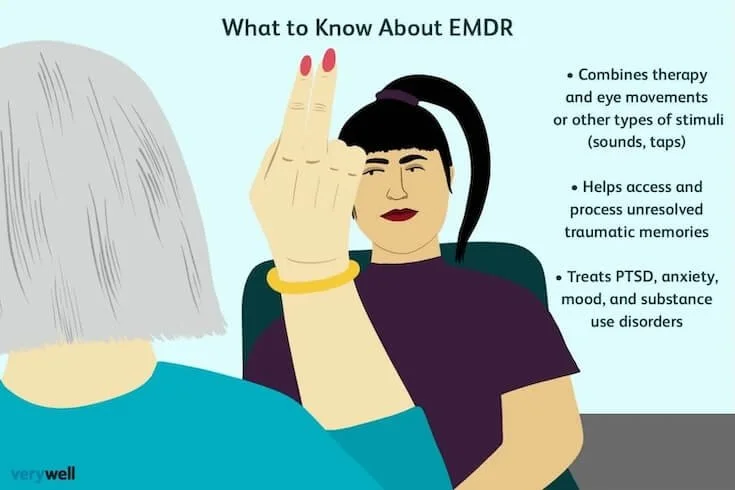
Eye motion desensitization and reprocessing (EMDR) was established as a therapy for PTSD. It involves processing the memory and the means it is saved in the brain, which minimizes problematic triggers and signs. Throughout this treatment, various approaches of reciprocal simulations can be used to concentrate on memories of the injury.
Healing Bullying and Invalidation Wounds
Written exposure therapy (DAMP) is a quick, evidence-based behavior psychiatric therapy in which people are slowly subjected. While in traditional exposure therapy, the person is subjected to the fear object or experience, in written exposure therapy, the individual will certainly writer regarding the injury memory. In a series of 5 brief (50 to 60-minute) sessions, the person will create in detail regarding the thoughts and feelings they contended the time of the occasion.
These can be especially helpful when you're focused on recovery from injury while in a connection, as they help you regulate emotions and construct much safer links. Right here are some corresponding and alternate treatments that might also be useful for people with injury: approaches integrate cognitive treatments with somatic techniques that influence the human bio-energy systems such as meridians, chakras and the biofield to elevate physical, mental, emotional and spiritual health and wellbeing.
Yes, unsolved injury can cause anxiety and many various other unfavorable effects on an individual's behavior, emotional, mental, and physical health and wellness. To aid manage these impacts, a lot of go through injury therapy treatment. When the injury stays unresolved, there will likely be regular triggers that an individual might react to inappropriately. They might cause an exaggerated emotional reaction due to the fact that they are tips of the unsettled injury.
Unsettled injury in adults may be the outcome of various occasions, including grief, car mishaps, physical misuse, sexual misuse, and spoken abuse. Those circumstances might not even be taking place to them. Occasionally, even merely seeing events happen to somebody else can be distressing. Unsolved trauma and relationships do not fit with each other well.
How Compensating Leads in Deep Fatigue
The factor expert injury therapy treatment is often vital is that individuals may not even recognize they have unresolved trauma. Numerous adults are often stunned by the sources of their trauma uncovered in specialist treatment. Whatever the reason, trauma therapy treatment for unsolved injury can assist you process the tough experience and change the negative ideas and actions patterns that may be reinforcing your negative feelings.
Lots of unsolved trauma symptoms are invisible, and you may not recognize that a person is dealing with it unless they directly rely on you concerning it. You might view out for some common indications of dealing with the results of unsolved trauma. These indications consist of the following: Avoidance or fear of feelings, objects, people, or areas that can be associated with a distressing experience Rounds of anxiety or anxiety attack because of ordinary circumstances Modifications in resting pattern Persistent or continuous depression Dissociation in situations and discussions Feelings of badness, embarassment, insignificance, or unimportance Feelings of detachment, isolation, and isolation Flashbacks, headaches, and memories concerning the stressful experience Hypervigilance Self-harm and self-mutilation Self-destructive thoughts or efforts Substance misuse or eating problems in an attempt to numb adverse feelings Unmanageable anger If you or a person you respect is experiencing any among these specifically if it's occurring constantly and is disrupting your day-to-day life it's time to seek specialist help.
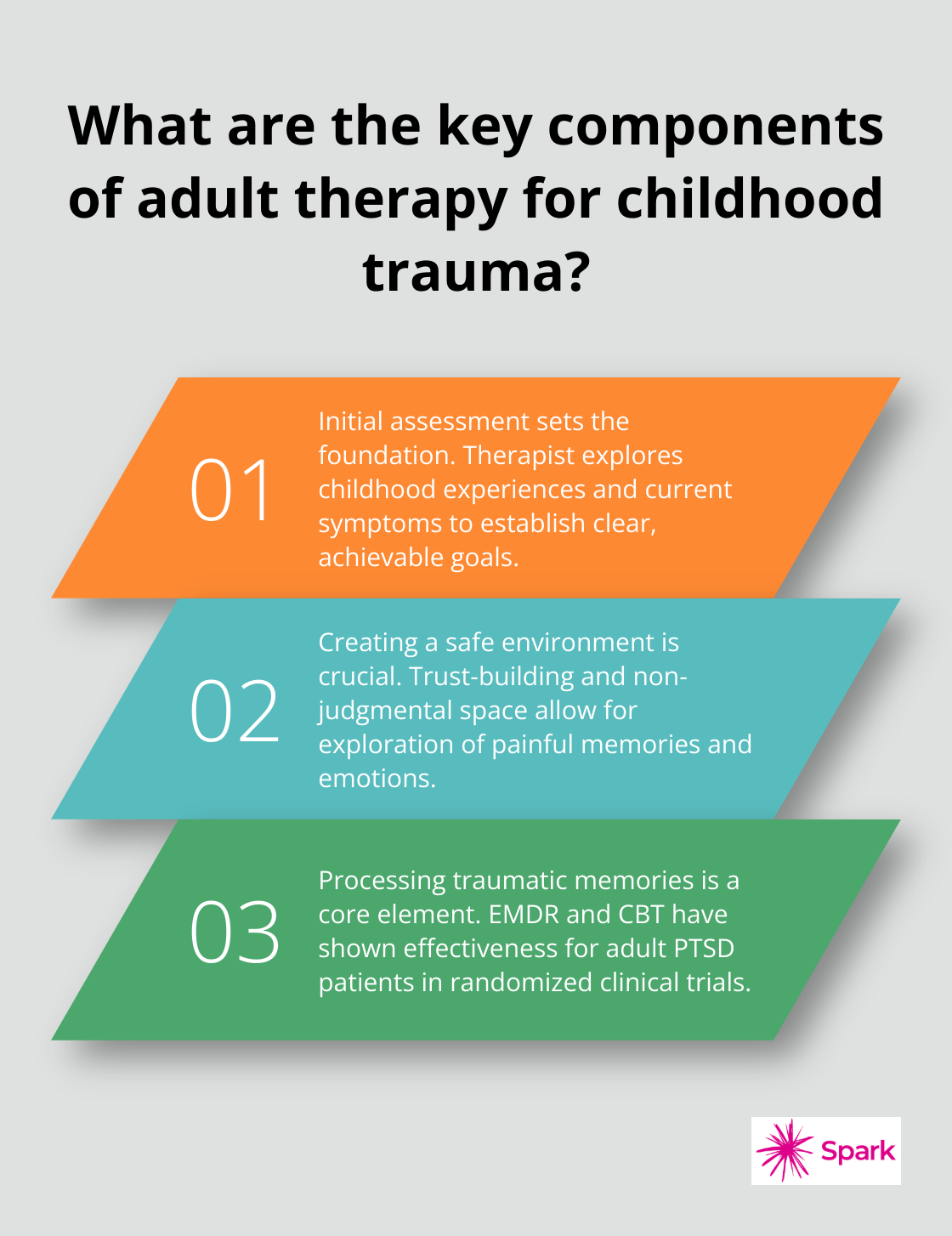
A lot of customers get confessed right into an injury therapy treatment program since they intend to take care of unsettled trauma and boost partnerships. Their close relationships might have been damaged incidentally they have actually been dealing with their injury without expert help. While they will certainly see an enhancement in their relationships, this adjustment may require time and not take place right away.
Breaking the Loop of Overcommitment and Exhaustion
Occasionally, it turns up in refined, quiet manner ins which form how you assume, really feel, and connect to the globe. When injury is unresolved, it suggests the mind and body have not totally integrated or refined what occurred. You may not even remember the occasion clearlyor think about it as "that poor"however your nerves still responds as if the threat is ongoing.
Unresolved trauma can press you outside this windowinto (anxiety, temper, hypervigilance) or (feeling numb, closure, fatigue). The trauma may remain in the past, yet your body and mind might still be supporting for influence. You might assume: "I understand he or she appreciates me, but I maintain waiting for them to leave."Or: "I'm safe currently, but I still seem like I'm strolling on eggshells." Not everybody experiences trauma similarly.

Navigation
Latest Posts
How Bereavement Can Trigger OCD
What to Expect in Eating Disorder Therapy
Cultural Roots Shaping Mental Health Treatment in Immigrant Families