Table of Contents
If you're grieving, remember this: your pain shows the deepness of your connection. It's not something to "obtain over" however instead to move through, bring your love and memories onward right into a life that, while for life transformed, can still hold meaning and happiness.
Grief is a natural psychological action to loss. Regreting is a process that can assist you come to terms with a loss, such as when a liked one dies. Everyone experiences pain in a different way. Your experience of pain and just how you deal with it will certainly depend on different aspects. These may include your age, previous experiences with grief and your spiritual or spiritual views.
Anticipatory grief suggests feeling depressing before the loss occurs. Instead than regreting for the person, that is still with you, you might feel pain for things you won't reach do with each other in the future. When encountering a considerable loss, such as the death of an enjoyed one, it is all-natural to feel numerous solid feelings.
This doesn't suggest you have actually given up on the individual or that you don't care for them. People identified with a terminal illness and those encountering the death of a loved one may experience awaiting grief. If you have actually been diagnosed with a terminal health problem, you may experience numerous emotions consisting of shock, worry and sadness.
Fight-Flight-Freeze Balance for Professionals in the Local Area
You grieve shed possibilities or experiences you'll miss out on also tiny ones, such as the satisfaction of the sunshine or a hot cup of coffee. If somebody you enjoy is dealing with a terminal illness, it prevails to experience anticipatory grief in the months, weeks and days before fatality. You might grieve the exact same things your enjoyed one is mourning, or different losses completely.
You may feel awaiting sorrow If your enjoyed one is confused or subconscious for a long period of time (e.g. with delirium or mental deterioration). You may feel that the individual you understood is currently gone, even if they are still physically there. If your enjoyed one has a decline in physical wellness or wheelchair, you may really feel awaiting sorrow as you shed the chance to share experiences, such as leisure activities, holidays or events.
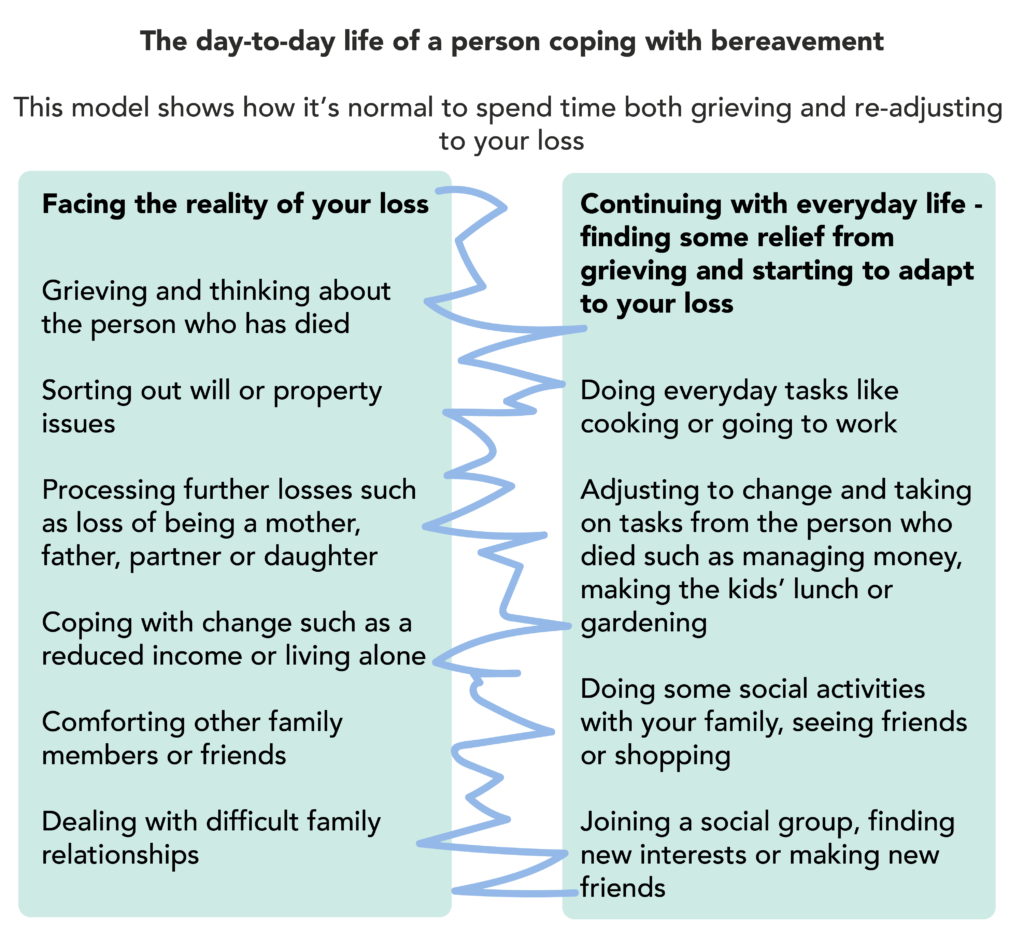
This is specifically true if you spend a great deal of time taking care of the individual. You may miss activities you made use of to enjoy together and feel pain regarding the change in your partnership. The nature of your connection might transform as you tackle a carer's function, or become the one being looked after.
Feelings of sorrow before death are normal it's essential to recognise them, and to speak about them. Experiencing awaiting sorrow does not necessarily suggest that you will grieve your loved one any less after they are gone. Carers of individuals who are terminally ill may end up being closer to their enjoyed one, making their sensations of despair after death also much more extreme.
Important Considerations in a EMDR Therapy Provider Who Specializes in Healthcare Workers
Lifeline gives support for people experiencing emotional distress. Past Blue gives information and assistance for individuals experiencing psychological wellness problems including despair. Griefline Call 1300 845 745 for support readily available to adults aged 18 years and over. Mensline provides telephone and online counselling and support to guys in Australia. Cancer Council offers info and assistance to individuals with cancer and their loved ones.
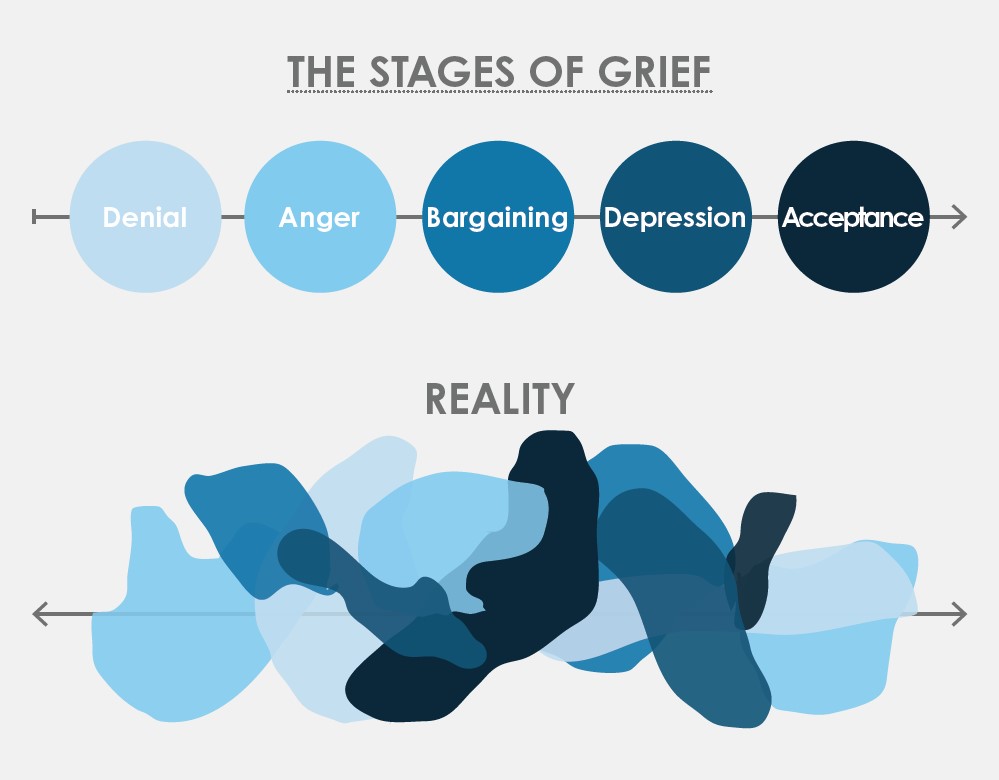
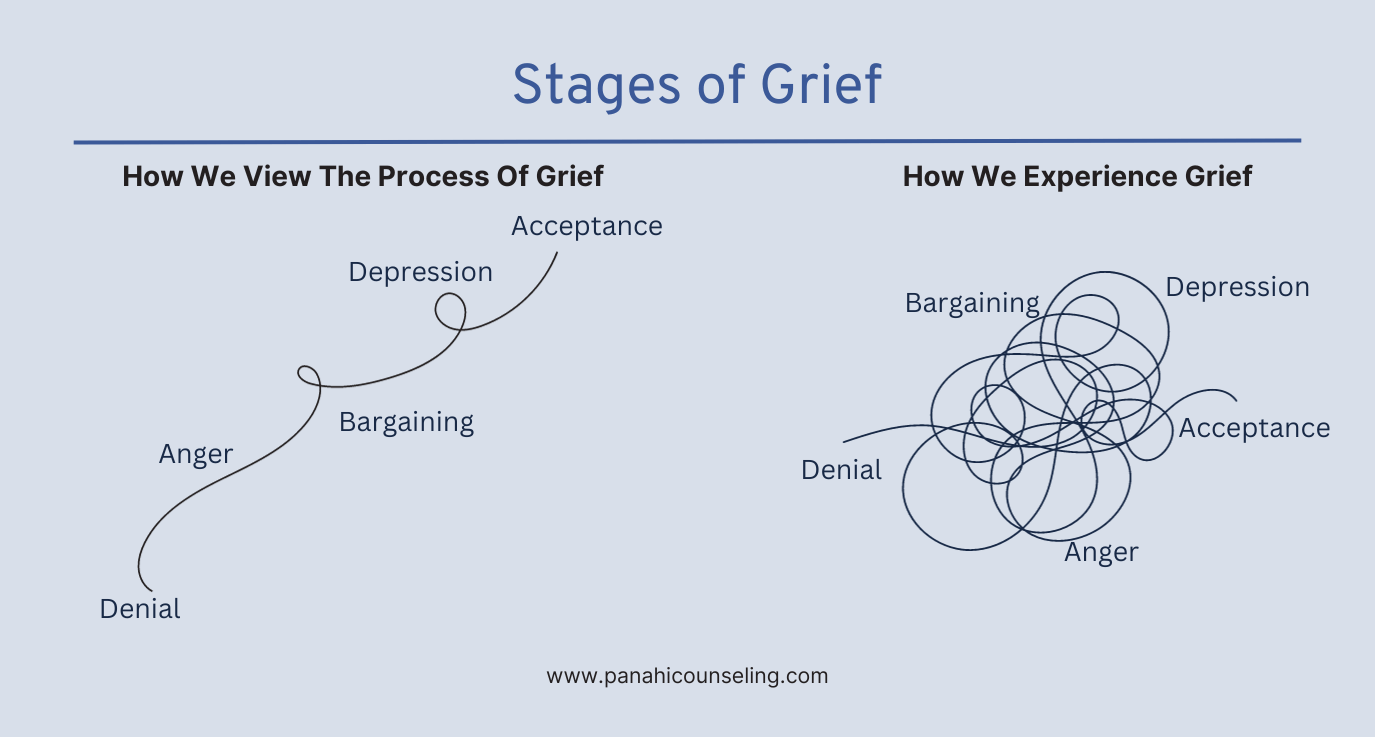
People speak about the 5 phases of grief as: denial rage negotiating anxiety acceptance. In truth, we do not experience sensations of grief one by one or in a specific order. We know that there are no collection phases that everyone goes through. You might experience these points since they are all normal sensations of pain.
Some individuals really feel numb after the death of a person they cared around. If you experience this, it can be because it's simply too tough to think that the person you recognize so well is not coming back.
The Healing Path for Accomplished Professionals in EMDR Therapy
Perhaps they promise themselves that they will certainly currently constantly do (or not do) something, believing that it can make the person that has passed away come back. Individuals might likewise locate that they maintain going back over the past and ask whole lots of 'what if' concerns, wanting that they might go back and change things so that they might have transformed out in a different way.
These feelings can be very extreme and painful, and they might come and go over several months or years. But lots of people discover that excruciating sensations like this come to be less strong in time. If you do not feel this is the situation for you, after that you must request for assistance.
Her model came to be widely accepted as a way to comprehend pain, but over time, grief counsellors and researchers increased upon it, bring about the growth of the. This extensive version includes additional emotional reactions that people might experience: The first response to loss often brings shock and disbelief. This stage works as a protective device, allowing us to absorb the fact of our loss in convenient dosages.
Feelings of regret or sense of guilt might arisewondering if you could have done something in a different way, or feeling grief over points left unexpressed. Pain can show up as angertoward on your own, others, or also the person that has actually passed.

Navigation
Latest Posts
Understanding Neurodivergence as Valid Variation
When Misdiagnosis Deepens Anxiety
Going Beyond Conventional CBT-Based Approaches